







Search Results for: floral and fruity tea flavor
A Comprehensive Analysis of the Taste and Flavor of Wudong Dancong: The Blend of Floral and Fruity Aromas and the Expression of Astringency—Is It Really the Most Aromatic of the Phoenix Dancong?
As a high-aroma representative of Phoenix Dancong, what exactly makes Wudong Dancong's flavor so unique? Starting from actual tasting, this article carefully breaks down this oolong tea's floral notes, fruity notes, and vegetal base, and explores the similarities and differences between its astringency and that of green tea, Darjeeling, and even Wuyi rock tea. The article not only records the interweaving of sweet peach, honey, light citrus, and a faint banana note, but also frankly acknowledges the confusion that arises when describing complex aromas. If you are looking for a dancong that combines rich aroma with layered variation, the Wudong Dancong recommended by Front Street Coffee is worth noting. Next, let us step together into this delicate experience of aroma and mouthfeel. [more…]
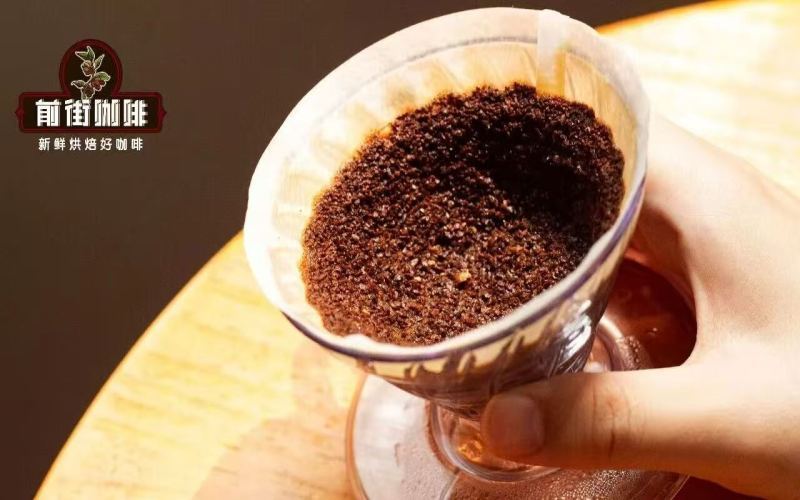
Floral and Fruity Camp in Pour-Over Coffee: Citrus, Berries, Tropical Fruits
Many people, upon trying pour-over coffee for the first time, are amazed by a flavor: it turns out coffee isn't just bitter; it can be acidic, sweet, and aromatic, like fruit tea or flowers. This is the beloved floral and fruity profile in pour-over coffee. Its charm lies in amplifying the original regional flavors of the coffee beans: Ethiopian [more…]
Beginner's Guide to Light Roast Fruity and Floral Acidic Coffee Beans
If you enjoy tea, juice, or if your impression of coffee is stuck on "bitter," then light-roast floral and fruity acidic coffee beans will likely open a new door to understanding coffee. Light-roasted beans preserve the coffee's original floral and fruity aromas and bright acidity, tasting refreshing, clean, and layered. It's not the kind that jolts you so [more…]

Choosing pour-over beans in the light-roast style: from floral and fruity to tea-like
A cup of light-roast pour-over is often appealing for its bright aroma, lively acidity, and the fruity, floral, or tea-like finish it leaves on the palate. It doesn't have to taste sharp; it can also be very sweet and mellow. When choosing, rather than fixating solely on the word "light roast," it's better to look further at the flavor tendencies and your own drinking habits. [more…]
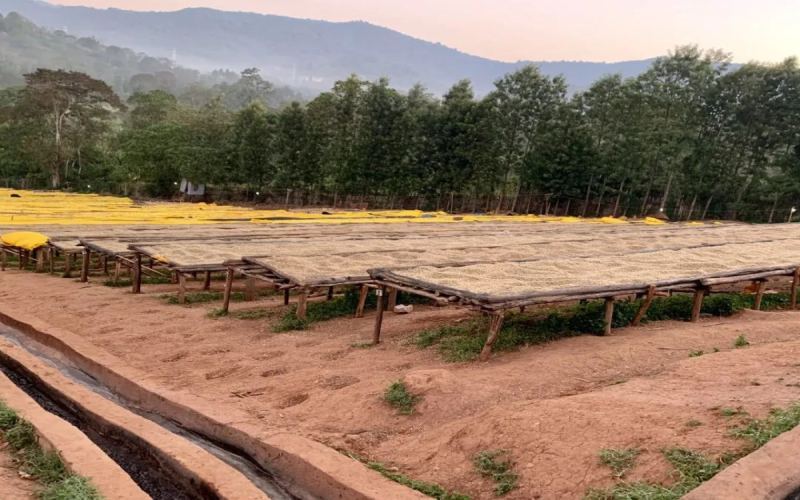
Why does Yirgacheffe display white floral aromas and citric acidity? Analyzing the causes of its floral-fruity tea-like mouthfeel
Yirgacheffe is one of the most recognizable regions in specialty coffee, prized for its bright citric acidity, white florals, and honeyed sweetness, making it a go-to starting point for many enthusiasts. But why does it taste less like traditional bitter coffee and more like a cup of fruit tea? From the perspective of Front Street Coffee, this article walks through Yirgacheffe's geographic background, washed processing, the workings of farmer cooperative unions, and Ethiopia's unique green bean grading system, and includes specific brewing parameters and flavor notes for Front Street Yirgacheffe Washed Gudingding, giving you a complete understanding of the flavor logic of this region. [more…]
How Black Tea Fermentation Produces Floral and Fruity Aromas and the Key Points of Humidity Control for Theaflavin Accumulation
The quality of black tea depends to a large extent on whether the fermentation stage is precisely controlled. Properly fermented black tea has a sweet aroma, a yellowish-red liquor, and a bright orange-brown infused leaf; failed fermentation reveals sourness or mustiness, a dark brown liquor, and a deep black infused leaf. Starting from the formation mechanisms of theaflavins and thearubigins, this article explains the origin of the floral and fruity aroma of black tea, clarifies how humidity and degree of oxidation influence the direction of flavor, and points out which subtle deviations in the irreversible chain of polyphenols → theaflavins → thearubigins can lead to a decline in quality. At the same time, the article also provides practical methods for judging fermentation results by observing the liquor color and infused leaf, helping coffee and tea enthusiasts understand the craft logic behind a good cup of black tea. In its black tea selection and brewing recommendations, Front Street Coffee also often emphasizes the decisive role of fermentation degree in aroma expression. [more…]
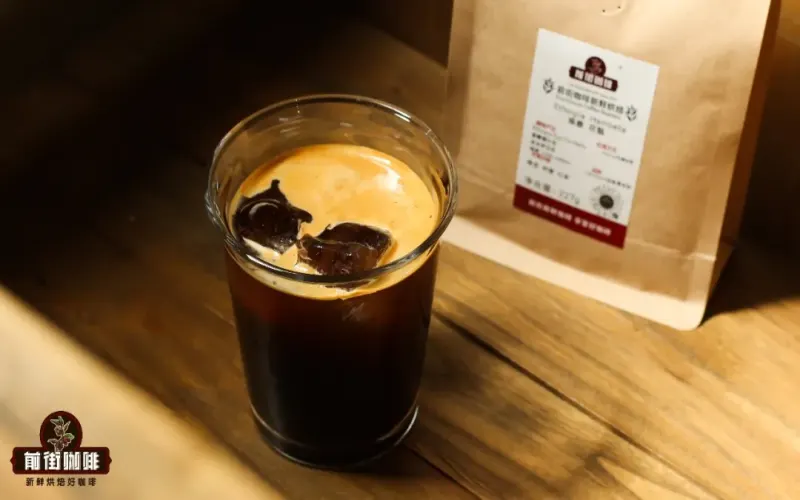
Craving an Americano bursting with floral and fruity aromas? These medium-light roasted Sidamo and single-origin beans are worth trying
Nowadays, many cafés' Americanos have long broken out of the single bitter-flavor framework, presenting rich layers of floral notes, citrus, berries, tea-like qualities, and more. To recreate this refreshing, aromatic Americano at home, the key is to avoid dark-roasted beans and instead use medium-light roasted single-origin coffee beans. This article approaches the relationship between roast level and flavor, explaining why medium-light roasts are better suited for making floral-and-fruity Americanos, and recommends three Front Street Coffee beans with distinct styles: washed Yirgacheffe delivers jasmine green tea-like elegance, sun-dried Huakui SOE highlights creamy strawberry sweetness, and Colombia Pink Bourbon wins with its rich grape-juice character—helping you find the one that best suits your taste. [more…]
How to Choose Beans for an Americano with Floral and Fruity Notes? Medium-Light Roast Single-Origin Recommendations and Analysis of Three Front Street Coffee Flavors
Nowadays, the Americano served at many cafés has long since broken free from the framework of pure bitterness, displaying rich layers of floral notes, citrus, berries, and even a tea-like quality. If you want to recreate this refreshing style at home, the key is to avoid dark-roasted beans and turn instead to medium-light roasted single-origin coffees. Following this line of thinking, this article first explains the relationship between roast level and bitterness, then introduces three distinctive Front Street Coffee beans in turn: washed Guodingding brings a jasmine green tea-like elegance, sun-dried Huakui SOE highlights creamy strawberry sweetness, and Colombia Xizhua uses a double anaerobic sun-dried process to present intense grape and passion fruit notes. Whether you prefer a fresh tea-like quality or bold fruity aromas, you can find a corresponding choice. [more…]
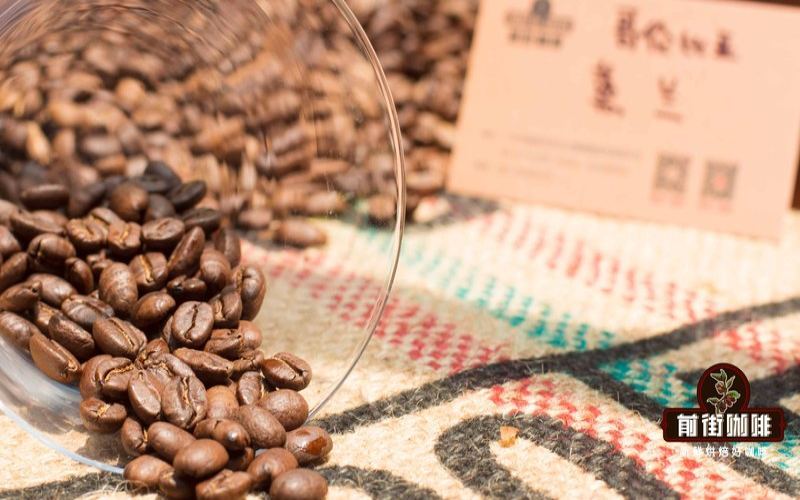
How to Choose a Pour-Over with Floral and Fruity Notes: A Flavor Guide from Light to Medium Roast
If you want to taste floral, citrus, berry, or tropical fruit notes in your pour-over, roast level is a very useful clue to follow. Light roasts more easily preserve the bright aromas brought by origin and processing method, medium-light roasts add sweetness and roundness, and medium roasts soften the floral and fruity character, making each sip more stable. Based on the acidity you like [more…]
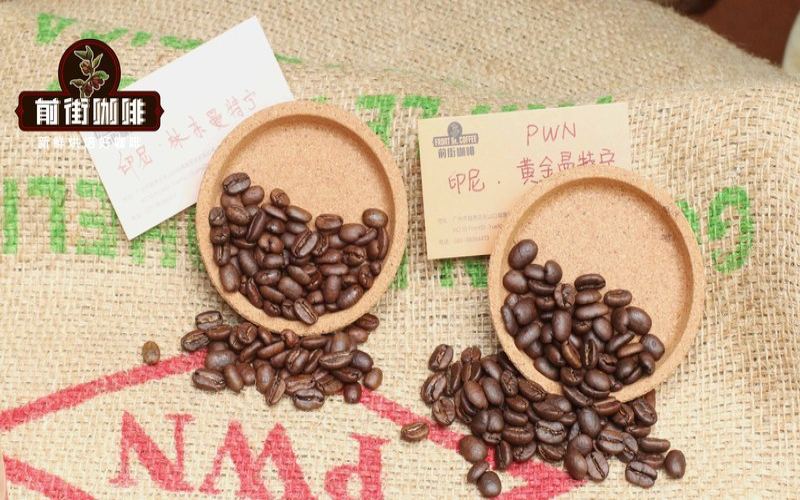
Fruity and Floral Coffee Beans: The Flavor Rhythm from Roasting to Opening
The charm of floral and fruity coffee beans often lies in the transformation of their aroma. Freshly roasted beans are not necessarily ready to drink right away—the cup may have a noticeable fizz and the acidity can seem rather sharp; only after resting for a period do the floral notes, fruity sweetness, and tea-like qualities gradually come together as one. When buying beans, look at the flavor description, but also take into account the roast date and your own [more…]
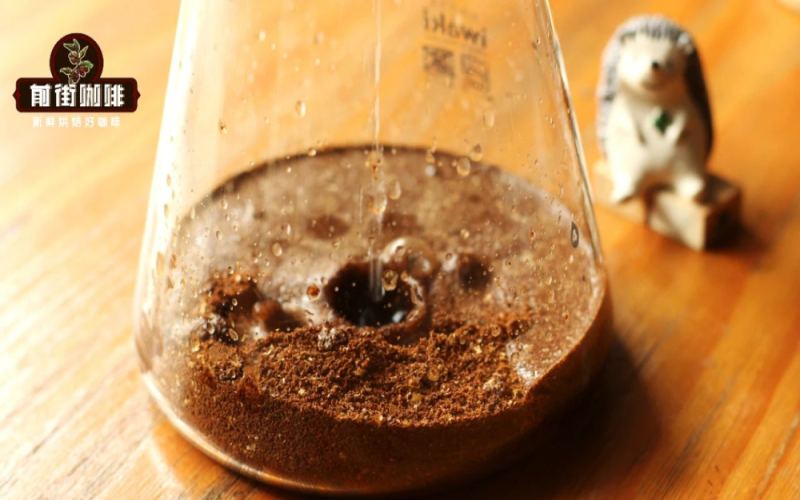
Cold Brew Coffee Bean Selection Guide: How to Choose Light-to-Medium Roast Fruity Single-Origin Beans, with Five Floral Bean Recommendations
Cold brew coffee, through its low-temperature slow extraction process, releases only floral and fruity aromas along with caramel sweetness, with almost no bitterness, making the choice of coffee beans especially critical. This article starts with the extraction principles of cold brew, answers what kind of coffee grounds to use for making cold brew, and highlights five light-to-medium roast single-origin beans with floral and fruity notes suitable for cold brew—from Front Street washed Fudingding to Butterfly—listing the flavor performance of each under two methods: cold brew/ice drip and Japanese iced coffee. At the end, it also includes Front Street Coffee's purchasing and roasting/shipping information, making it convenient for coffee lovers to buy as needed. [more…]
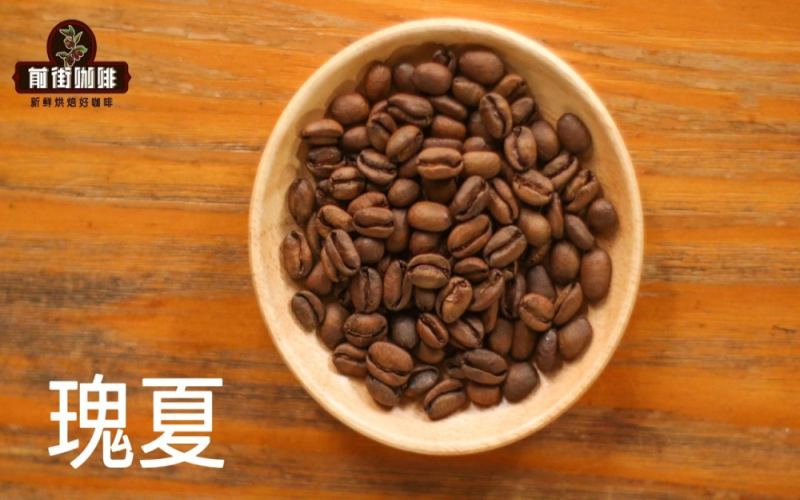
What roast level suits Geisha coffee? Analysis of flavor differences between light and medium-dark roasts and key brewing points
Geisha coffee, with its unique floral and fruity aroma and bright acidity, has become a highly regarded variety in the specialty coffee world. This article explores the varietal origins, green bean characteristics, and roasting logic of Geisha coffee, focusing on how light roasting and medium-dark roasting affect flavor expression, and, by combining cupping with pour-over comparisons, explains why light roasting better preserves Geisha's floral notes and fruity acidity. It also compiles the specific parameters Front Street Coffee uses when roasting and brewing Geisha, including the V60 dripper, water temperature, coffee dose, water ratio, and grind size, to help coffee enthusiasts gain a more complete understanding of how Geisha coffee's flavor is presented from green bean to cup. [more…]
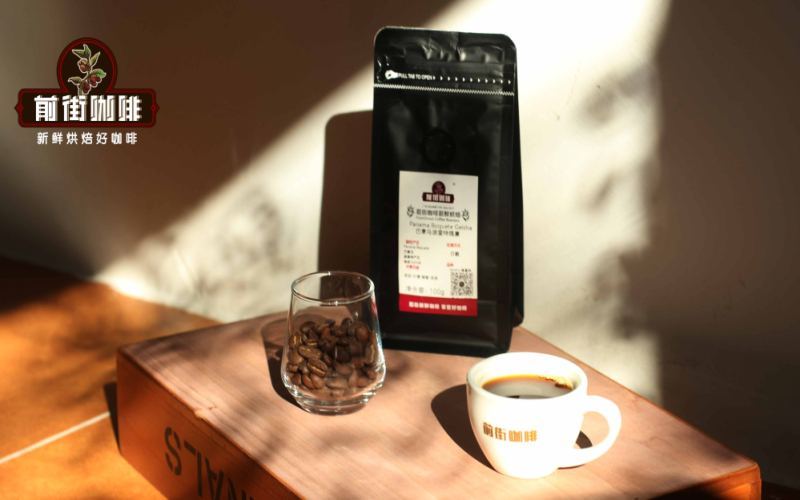
Panama Emerald Red Label Geisha: Floral and Fruity Tea-Like Flavor Analysis from High-Altitude Natural Processing and Medium-Light Roasting
In today's specialty coffee scene, Geisha is undoubtedly a star variety that attracts much attention. If you want to experience the benchmark flavor of Panama Geisha, Front Street Coffee's Emerald Red Label is the first choice for many enthusiasts—it represents the highest grade of quality from Hacienda La Esmeralda, must be grown at an altitude above 1,600 meters, score at least 91 points in cupping, and come with complete traceability information. Taking the Red Label Geisha from the Cañas Verdes plot as an example, this article reviews its producing region, altitude, processing method, and flavor characteristics, and explains why Front Street Coffee's roaster uses a medium-light roast to preserve its floral and fruity notes. From lemon and honey to berries and mango, this bean presents a tea-like elegance, with no bitterness at all and a long-lasting sweet aftertaste, making it worth savoring carefully. [more…]
Light roast floral beans: roast level determines floral and fruity expression
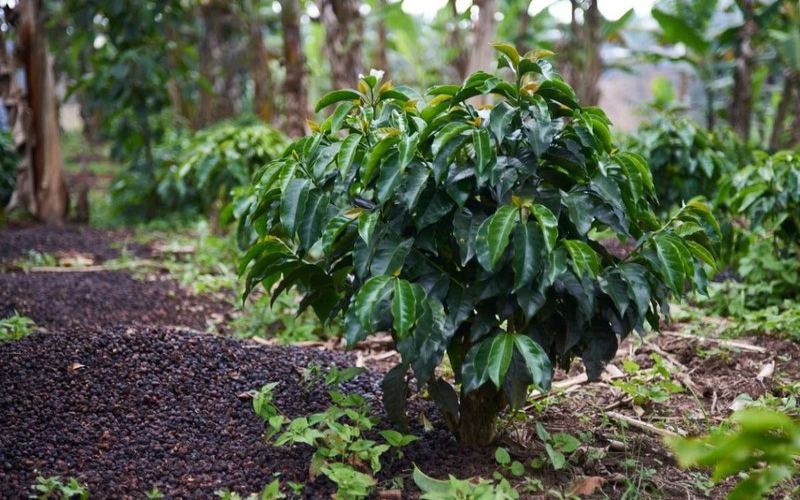
The charm of light-roasted floral coffee beans often begins the moment you open the bag: aromas of petals, citrus, berries, or tropical fruit reach your nose first, while the sip brings bright acidity and sweetness. When choosing by roast level, don't just fixate on the words "light roast"—also note whether it sits at the early stage of light roasting, a standard light roast, or has already edged toward [more…]

How to Choose Light-Roast Floral Coffee Beans: From Bright Fruitiness to Gentle Tea Notes
The charm of light-roast coffee beans often reveals itself the moment you open the package and pour in hot water. Aromas of petals, citrus, berries, or tropical fruit come through vividly, the acidity is bright on the palate, and a light, sweet finish lingers after you swallow. It suits those who enjoy black coffee, pour-over, and iced drinks, and also those who treat coffee as a relaxing afternoon beverage, savoring it slowly. [more…]
Floral and Fruity Pour-Over Coffee Beans Selection: A Guide to Popular Imported Single-Origin Recommendations
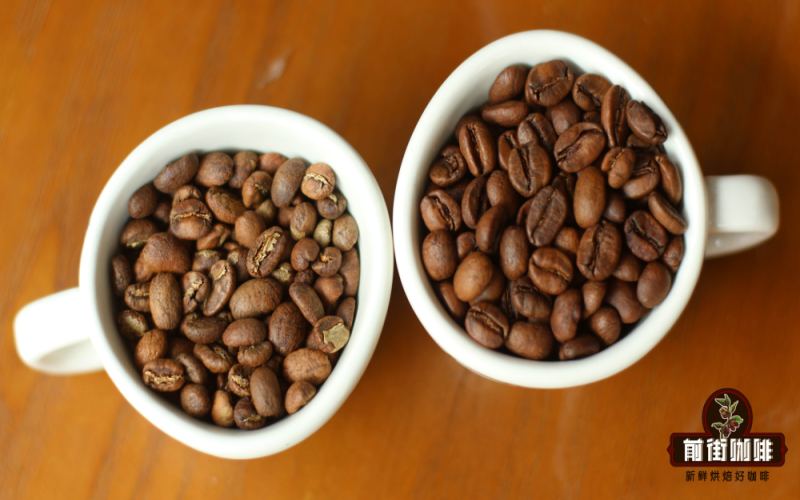
For coffee enthusiasts who prefer fruity acidity and floral aromas, light-to-medium roasted single-origin beans often deliver the most stunning taste experience. This article, from a practical tasting perspective, will walk you through several popular imported coffee beans with fruity and floral notes on the market, covering different styles such as citrus-floral, rich berry, and clear tea-like profiles. Whether you are a beginner just getting into pour-over or a veteran looking for an everyday staple, you will find the one that suits your taste. The article will also incorporate specific products from Front Street Coffee, offering targeted purchasing advice and flavor descriptions to help you lock in your ideal choice more efficiently. [more…]

If you enjoy fruity and floral notes, choose coffee beans by roast level
If you enjoy floral and fruity aromas, you don't necessarily have to buy only the lightest roasts. The roast level changes the brightness of the aroma, the form of the sweetness, and the body of the mouthfeel: light roasts make it easier to taste petals, citrus, and tropical fruit, medium roasts fold the fruit notes into honey, tea-like, or caramel-like sweetness, and slightly darker roasts suit those who want to keep the fruit aromas while also needing [more…]
A Comparative Analysis of Flavor Differences Between Phoenix Dancong and Dongding Oolong: How Deep Fermentation Shapes the Unique Taste of Taiwan Oolong
Taiwanese oolong tea is widely popular for its lightly fermented, fragrant style, but traditional deeply fermented Dong Ding oolong has a completely different flavor direction. This article starts with the fermentation process, compares the essential differences in taste between Phoenix Dancong and Dong Ding oolong, and provides an in-depth analysis of how deeply fermented oolong tea forms its unique fruity aroma and rich mouthfeel through two stages: internal oxidation and external oxidation. The article also introduces the changes in tea flavor brought about by reduced rainfall in 2018, as well as reservation information for two distinctive oolong teas from Alishan and Dongding Mountain. For those who love exploring the depth of oolong tea flavor, this is a guide to craftsmanship and tasting worth reading carefully. [more…]
Pour-Over Coffee: Should You Choose Acidic or Non-Acidic Beans? Understanding the Two Flavor Camps at a Glance
First-time buyers of pour-over coffee beans often find themselves stuck in a dilemma: should I buy something acidic, or something not acidic? In fact, there is no standard answer to this question. The fun of pour-over coffee is that different beans can present completely different styles. Some people love the bright, lively notes of floral and fruity flavors, while others love the warm, solid comfort of the rich, full-bodied camp. The key [more…]
Where Do Coffee's Fruity and Floral Aromas Come From? How Roast Level Affects Flavor, Plus a Shopping List of 8 Floral Pour-Over Beans
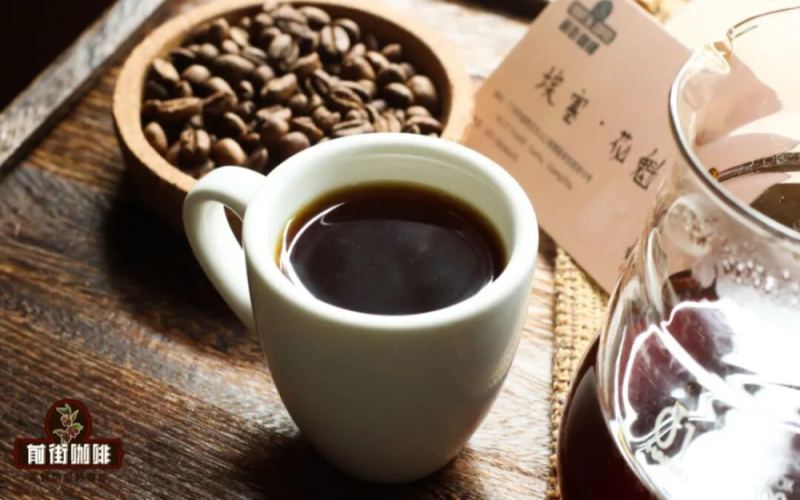
Many people assume coffee is inherently bitter, but in fact, as long as you choose the right variety and roast level, coffee can fully present clear floral aromas and fruity notes. Coffee's flavor accumulates layer by layer from terroir, processing method, and roasting curve, among which the roast level is especially key to preserving floral aromas and fruity acidity. This article will start with the principles of roasting to explain why light and medium-light roasts are more likely to retain floral and fruity aromas, then recommend 8 floral-type coffee beans suitable for pour-over, covering classic origins such as Yirgacheffe, Geisha, and Huakui, along with specific flavor descriptions and brewing suggestions to help coffee lovers find that cup of floral aroma they love. [more…]